Is Sedation Dentistry Safe for My Child?
Yes, sedation dentistry is safe for children when it is provided by a trained pediatric dentist who tailors the approach to your child’s age, health history, and anxiety level. At Queen City Pediatric Dentistry, Dr. Katherine Salmon and her team use sedation every week to help nervous or very young patients get through treatment comfortably, and safety protocols are built into every step of that process, from the pre-visit health review to recovery before your child goes home.
As a mother herself, Dr. Salmon understands why parents want more than a simple yes before agreeing to any form of sedation for their child. This guide answers the questions parents ask most often before saying yes to sedation for their child.
This Article Will Address
- The different sedation options available, from mild to deep
- How your child’s age, weight, and health history affect which method is safest
- What credentials to look for in a dentist who offers sedation
- How your child is monitored during the procedure
- Possible side effects after sedation wears off
- How to prepare your child before a sedation appointment
- The difference between sedation dentistry and general anesthesia
- When a dentist might recommend sedation instead of other behavior-guidance techniques
What Sedation Options Are Available for Pediatric Dental Patients, from Mild to Deep?
Pediatric dentists have several sedation options, and the right one depends on your child’s needs rather than a one-size-fits-all approach. Our own sedation dentistry program includes:
- Nitrous oxide, or laughing gas, for mild anxiety, delivered through a small nasal mask so your child stays awake and aware
- IV sedation, administered by a trained provider for children who need a deeper level of relaxation for more involved pediatric IV sedation procedures
- General anesthesia, reserved for extensive treatment or children who cannot tolerate any level of awareness during care
How Does My Child’s Age, Weight, or Health History Affect Which Sedation Method Is Safe?
Age, weight, and health history all factor directly into dosing and which sedation option is appropriate, which is why we never use a standard dose for every child. A toddler and a ten-year-old metabolize medication differently, so doses are calculated based on your child’s current weight rather than age alone.
Conditions such as asthma, sleep apnea, allergies, or a history of reactions to medication also change the plan, which is why we review your child’s complete medical history before recommending any sedation method. A child who has had a difficult reaction to sedation in the past, or who takes daily medication for another condition, may need a different approach entirely, and that conversation happens well before the appointment itself so there are no surprises on treatment day.
What Credentials or Training Should I Look for in a Dentist Who Offers Sedation for Kids?
Look for a board-certified pediatric dentist with specific training in pediatric sedation, along with current certification in pediatric emergency response. Dr. Salmon completed a pediatric dental residency and became board-certified in pediatric dentistry, which includes focused training in sedation dosing, airway management, and emergency protocols specific to children.
A qualified office should also be able to explain, without hesitation, what training the entire team has, not just the dentist administering the sedation.
What Monitoring Takes Place During the Procedure to Keep My Child Safe?
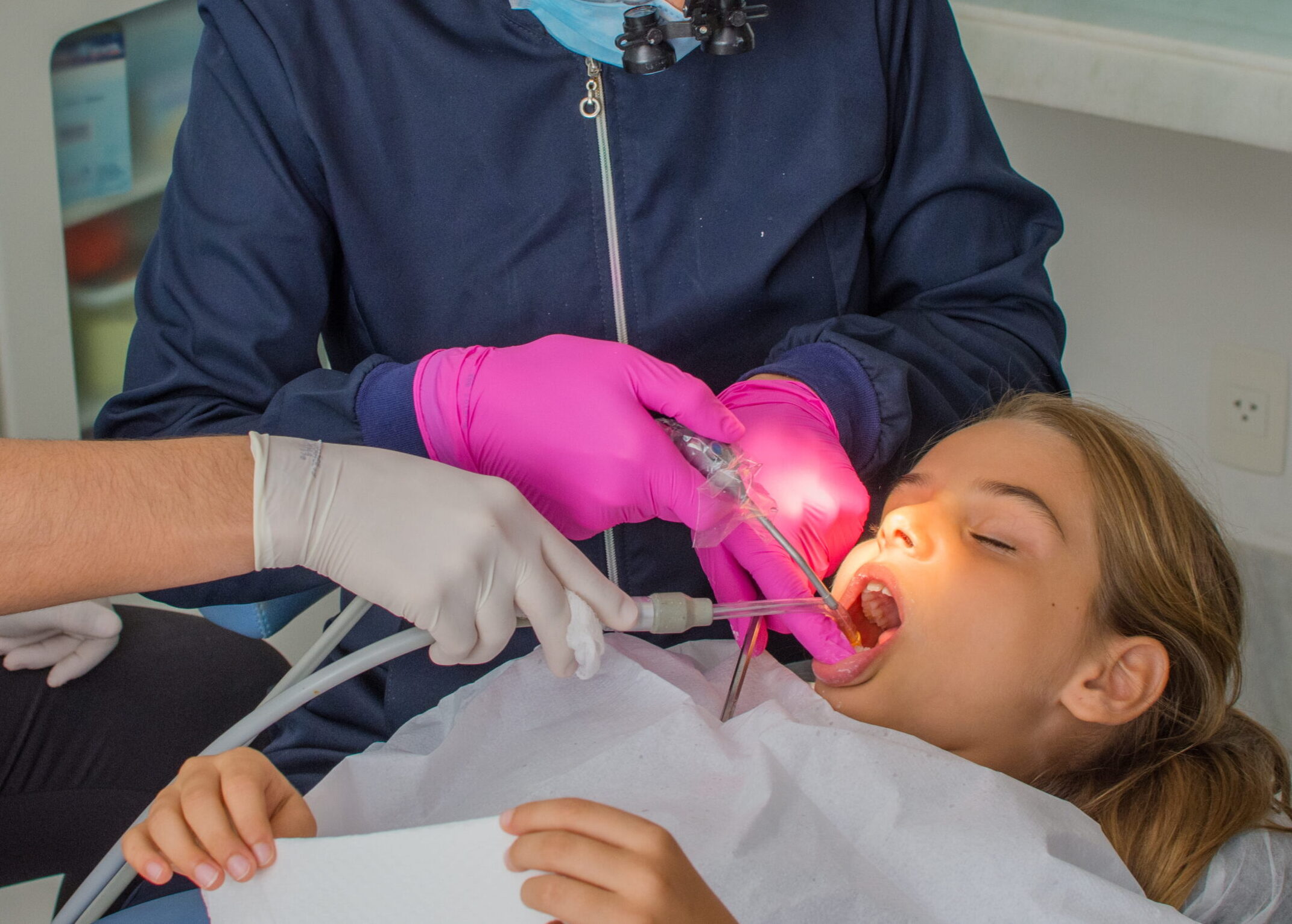
Every sedated child is continuously monitored for heart rate, oxygen level, and breathing throughout the procedure, with a team member dedicated to watching those readings rather than assisting with treatment. For deeper sedation, that monitoring becomes more intensive and involves dedicated staff whose only job is observing your child’s vital signs, following the same kind of independent-observer standard that national pediatric guidelines call for. Monitoring equipment tracks these numbers in real time so any change is caught immediately rather than noticed after the fact.
Your child is also monitored during recovery until they meet clear discharge criteria, not simply once the procedure itself is finished, and we will not send your child home until they are alert, stable, and ready.
What Side Effects Might My Child Have After Sedation Wears Off?
Most side effects are mild and short-lived, though they vary by sedation type.
- Nitrous oxide: occasional grogginess or mild nausea that clears within minutes of breathing normal air
- IV sedation or general anesthesia: grogginess, nausea, or crankiness that can last several hours and typically resolves with rest
We will always tell you exactly what to expect for the specific method your child receives, along with when to call our office if anything seems outside the ordinary.
How Should I Prepare My Child Before a Sedation Appointment?
Preparation depends on the sedation type, but a few steps apply across the board.
- Follow fasting instructions exactly, since eating or drinking too close to the appointment can affect safety for anything beyond nitrous oxide
- Dress your child in comfortable, loose clothing
- Tell our team about any new medications, illnesses, or changes in health since the last visit
- Plan for a full recovery day at home if your child is receiving IV, or general anesthesia sedation
Our team will walk through the exact instructions for your child’s specific sedation plan when you schedule the appointment, and we encourage you to call ahead of time with any question rather than guessing the night before. Small details, like exactly what time to stop food and drink, matter more than most parents expect, so we would rather answer a question twice than have it cause a delay on appointment day.
What Is the Difference Between Sedation Dentistry and General Anesthesia for a Child?
Sedation dentistry covers a range of options where your child typically remains responsive to some degree, while general anesthesia puts your child into a fully unconscious state with no awareness or memory of the procedure. Nitrous oxide the lighter end of sedation dentistry, allow your child to breathe independently and respond to simple instructions.
General anesthesia requires a dedicated anesthesia provider, closer airway management, and is generally reserved for children with extensive treatment needs, very young age, or an inability to cooperate safely with lighter sedation. Recovery time reflects that difference too. A child who receives nitrous oxide is usually back to normal within minutes, while a child who has general anesthesia needs a full day at home to rest before returning to school or normal activities.
When Would a Pediatric Dentist Recommend Sedation Versus Other Behavior-Guidance Techniques?
A pediatric dentist typically tries behavior-guidance techniques first, such as tell-show-do explanations, positive reinforcement, and a slower pace, before recommending sedation. Sedation becomes the better option when a child’s anxiety, age, medical needs, or the length and complexity of treatment make it unlikely that those techniques alone will lead to a safe, successful visit.
A very young toddler who needs several fillings in one visit, for example, may not have the attention span for a step-by-step approach no matter how patient the team is, which is a very different situation from an older child who just needs extra encouragement. The goal is always to use the least amount of intervention needed to get your child through treatment comfortably, and sedation is one tool among several rather than a default first step.
Schedule Your Child’s Sedation Consultation at Queen City Pediatric Dentistry
If dental visits have been a struggle for your child, a conversation about sedation dentistry safety with our team can help you understand exactly what to expect before you decide on anything.
Queen City Pediatric Dentistry is currently welcoming new patients in Cincinnati, OH, and Dr. Salmon is happy to walk you through our full range of pediatric dental services and which sedation option, if any, makes sense for your child. Call our office today to schedule a consultation. We would rather spend extra time answering your questions upfront than have you feel unsure on the day of your child’s appointment.
Sources

Are You Looking For Quality Dental
Care For Your Child?
Schedule An Appointment With Our
Talented Team At Queen City Pediatric
Dentistry.